TL;DR
- Power washing in Toronto is usually priced per square foot, per surface or as a flat rate per visit.
- Driveways and patios are typically the most affordable surfaces, while full house siding and multi-level decks cost more.
- Soft washing for siding, roofs and painted surfaces often costs slightly more because it uses cleaning solutions and more careful technique.
- Heavy oil stains, mold, algae, winter salt residue and difficult access all raise the price.
- Bundling power washing with window and eavestrough cleaning in spring usually gives better value than booking each separately.
How Power Washing Is Priced in Toronto
Power washing in Toronto is generally priced in one of three ways: per square foot, per surface, or as a flat rate per visit. Per-square-foot pricing is common for large flat areas like driveways and patios. Per-surface pricing is often used for decks, fences and siding. Flat rates are usually offered for standard packages, such as a driveway plus front walkway.
The final price depends on the surface material, size, condition, access and whether hot water, soft washing or stain treatment is needed. A clear quote should list each surface and method separately.
Typical Power Washing Costs by Surface
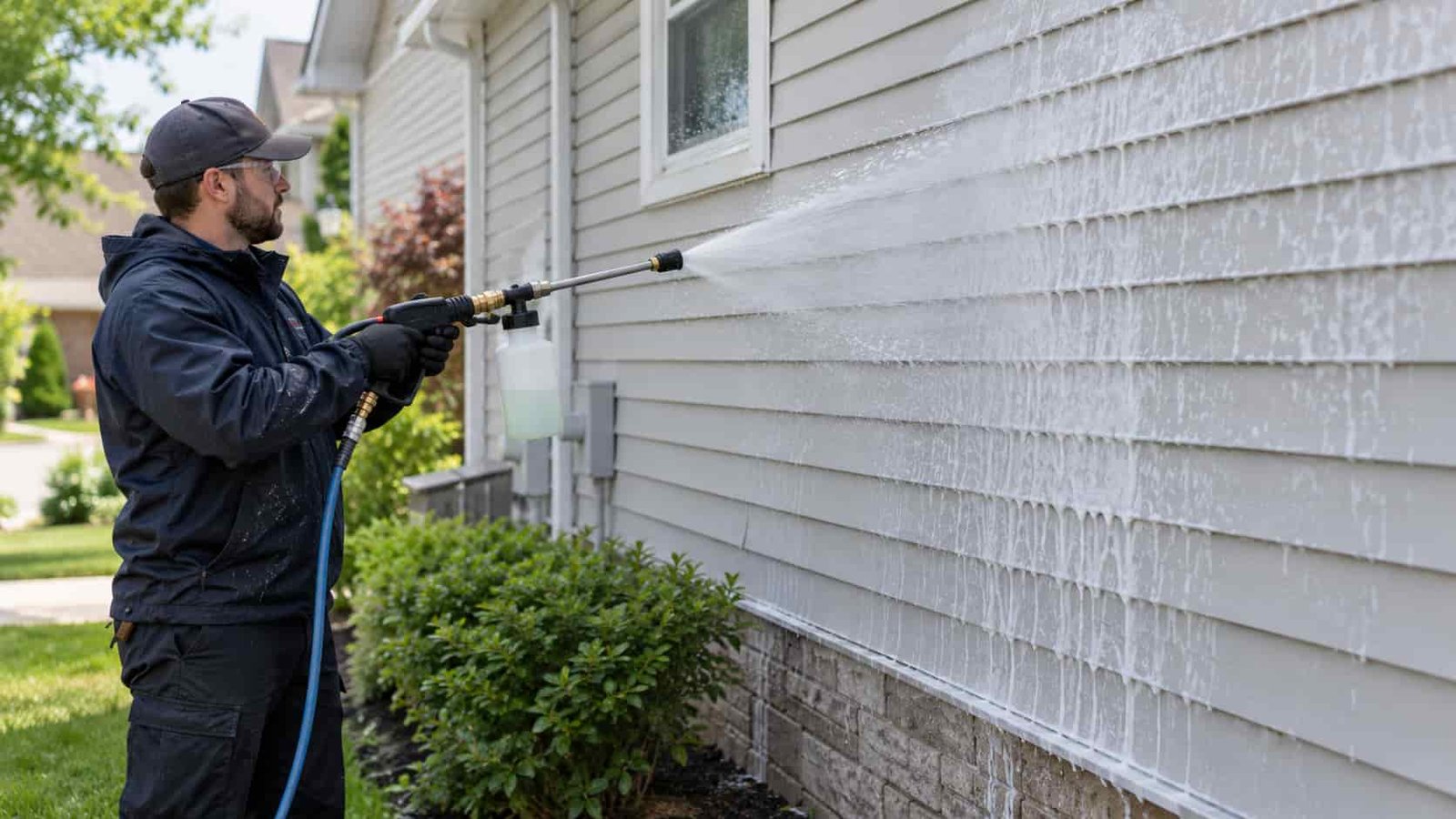
The ranges below are typical GTA estimates for residential power washing. Actual prices vary by company, condition and access.
| Surface | Typical size | Estimated price range |
|---|---|---|
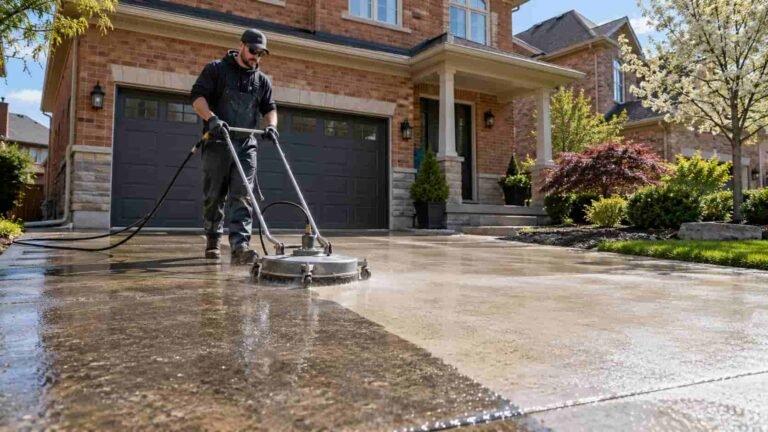
| Driveway, single car | 200 to 400 sq ft | $100 to $250 |
| Driveway, double car | 400 to 800 sq ft | $150 to $350 |
| Front walkway and steps | Small area | $75 to $150 |
| Patio or interlock | 200 to 500 sq ft | $150 to $400 |
| Deck, wood or composite | 200 to 400 sq ft | $200 to $500 |
| House siding, 2 storeys | Full exterior | $350 to $800 |
| Fence | Per section or length | $150 to $450 |
| Garage floor | Single or double | $100 to $250 |
These are general estimates for standard cleaning. Stain treatment, sealing and soft washing are often extra.
Power Washing vs Soft Washing Costs
The method used has a big effect on price and results.
| High-pressure power washing | Soft washing | |
|---|---|---|
| How it works | High-pressure water, sometimes heated | Low pressure with cleaning solution |
| Best for | Concrete, brick, interlock, stone, driveways | Siding, stucco, painted surfaces, roofs, older wood |
| Risk of damage | Higher on soft surfaces | Lower when done correctly |
| Typical cost | Lower per square foot on hard surfaces | Often slightly higher, due to solutions and time |
| Results | Fast removal of dirt and grime | Kills mold and algae at the root, longer-lasting clean |
Using high pressure on vinyl siding or stucco can force water behind panels or damage the surface, which is why reputable companies switch to soft washing on these materials. Our guide on what power washing is explains the difference between methods in more detail.
What Affects the Price of Power Washing
Surface Size
Larger areas take longer and use more water and cleaning solution. Measuring your driveway or deck approximately helps get an accurate quote.
Surface Material
Concrete and interlock tolerate high pressure well and are quick to clean. Wood decks and fences need lower pressure and more care to avoid raising the grain. Siding and painted surfaces usually need soft washing.
Level of Dirt and Staining
Light dirt and pollen wash off quickly. Heavy grime, oil stains, rust marks, moss, mold and algae take longer and may need pre-treatment or hot water, which adds cost.
Winter Salt Residue
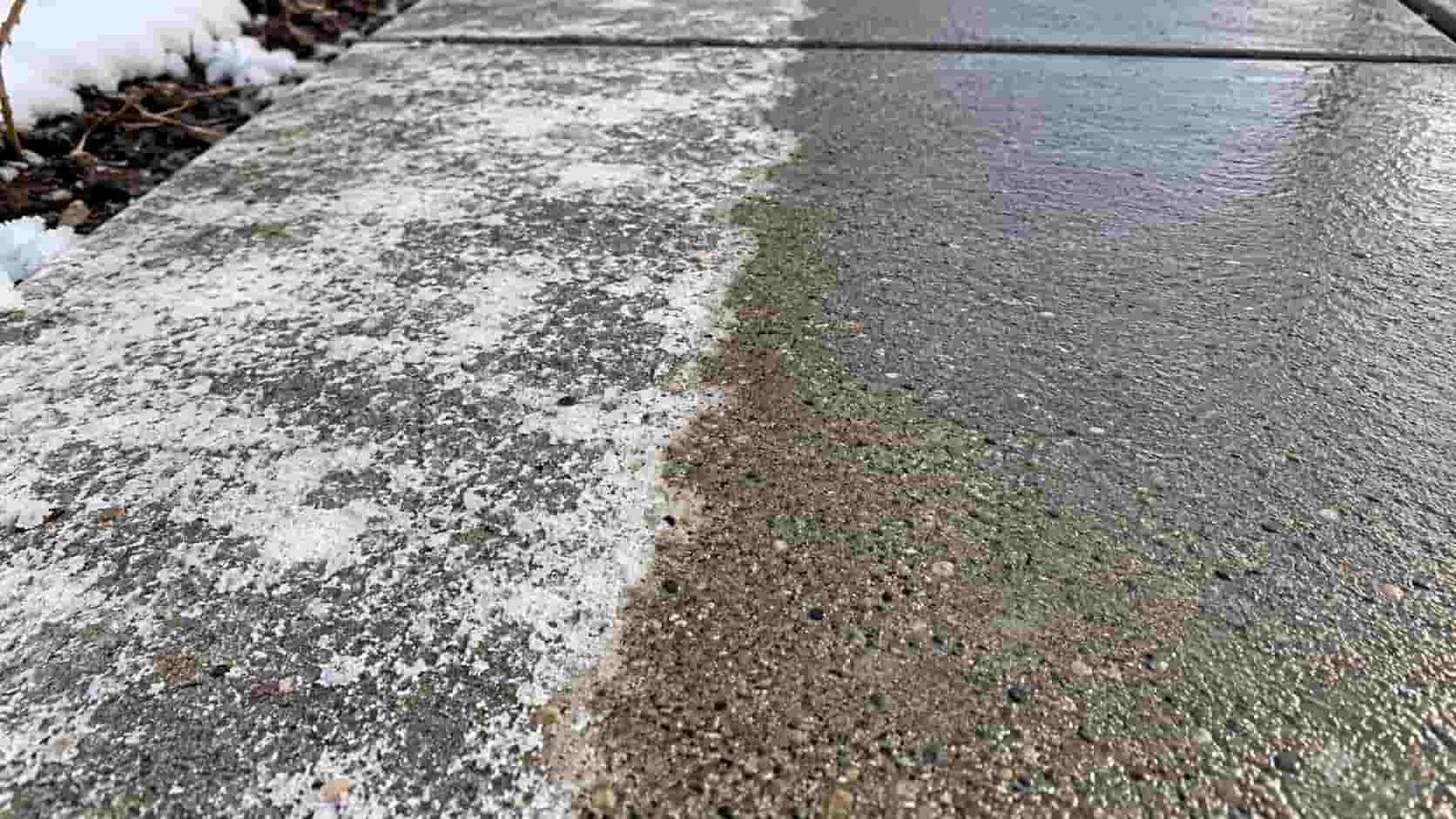
This is a Toronto-specific factor most cost guides miss. Road salt tracked onto driveways, walkways and garage floors leaves white residue that can break down concrete surfaces over repeated freeze-thaw cycles. Removing it properly in spring often needs extra rinsing and sometimes specialist cleaners.
Access and Height
Single-storey siding is straightforward. Two and three-storey homes need extension wands or ladders, and tight side yards between Toronto semis can slow setup.
Water Access
Most companies use your outdoor tap. If water access is limited or the property is far from a tap, extra setup time may be needed.
Add-On Services and Typical Costs
| Add-on | What it involves | Typical cost impact |
|---|---|---|
| Oil and rust stain treatment | Pre-treating stubborn stains on concrete | Quoted per stain or area |
| Concrete or interlock sealing | Protective sealant after cleaning | Often priced per square foot |
| Deck staining or sealing | Protecting wood after washing | Quoted separately |
| Polymeric sand refill | Re-sanding interlock joints after washing | Quoted per area |
| Mold and algae treatment | Soft wash solution applied to affected areas | Often included in soft washing |
| Gutter face cleaning | Removing black streaks from gutter exteriors | Small extra, often bundled |
Interlock driveways often lose joint sand during washing, so re-sanding is a common and useful add-on.
Power Washing Cost by Property Type
| Property type | Common package | Estimated range |
|---|---|---|
| Townhouse | Walkway, small patio, front steps | $150 to $350 |
| Semi-detached | Driveway, walkway, back patio | $250 to $500 |
| Detached, 2 storeys | Driveway, walkway, deck, siding | $500 to $1,200 |
| Large detached or estate | Multiple surfaces, full exterior | $1,000 to $2,500+ |
| Commercial storefront | Sidewalk, entrance, signage | Usually contract-based |
Best Time of Year for Power Washing in Toronto
Timing affects both results and availability in the GTA.
- Spring (April to June): The most popular season. It removes winter salt, sand and grime, and prepares decks and patios for summer. Booking early helps.
- Summer: Good drying conditions, ideal for decks before staining or sealing.
- Early fall: Clears summer pollen, mildew and dirt before winter.
- Winter: Most residential power washing stops once temperatures fall below freezing, since water can freeze on surfaces and create slip hazards.
In practice, homeowners who book in March often get their preferred spring date before the rush.
Bundling Power Washing with Other Exterior Services
Power washing, window cleaning and eavestrough cleaning are often needed at the same time of year, especially in spring after winter salt and grime build up.
Booking them together reduces separate travel and setup charges, and means your home’s exterior is cleaned in one coordinated visit. Washing siding before windows also avoids dirty spray landing on freshly cleaned glass. Our window cleaning cost guide and eavestrough cleaning cost guide explain typical pricing for those services.
How Often Should You Power Wash?
| Surface | Recommended frequency |
|---|---|
| Driveway and walkways | Once a year, ideally spring |
| Patios and interlock | Once a year |
| Decks | Once a year, before staining or sealing |
| Siding | Every 1 to 2 years, or when mold or algae appear |
| Fences | Every 1 to 2 years |
| Commercial entrances | Monthly or quarterly |
Properties under heavy tree cover or on the north side of buildings may need more frequent cleaning, since shade encourages moss and algae.
DIY Power Washing vs Hiring a Professional
| DIY | Professional | |
|---|---|---|
| Cost | Rental or purchase of equipment, plus your time | Higher upfront, includes equipment and labour |
| Equipment | Consumer-grade pressure washer | Commercial machines, surface cleaners, soft wash systems |
| Risk of damage | Higher, especially on siding and wood | Lower with trained technicians |
| Results | Often uneven, with visible stripes on concrete | Even finish with surface cleaners |
| Safety | Risk of injury and falls from ladders | Trained team with proper safety gear |
High-pressure water can cause injuries, damage windows, strip paint and force water into wall cavities. For siding, decks and upper floors, professional cleaning is usually the safer choice.
Why Cheap Power Washing Can Cost More
Very low quotes sometimes come from operators using high pressure on every surface. This can damage vinyl siding, etch concrete, splinter wood decks and wash sand out of interlock joints without refilling them. Repairing that damage often costs far more than the price difference between a cheap and a reputable quote.
Power Washing Costs by Material
The material being cleaned changes both the method and the time involved.
| Material | Method | Notes on cost |
|---|---|---|
| Poured concrete | High pressure with a surface cleaner | Usually the lowest cost per square foot |
| Interlock pavers | Moderate pressure, then re-sanding | Re-sanding adds cost but protects the surface |
| Natural stone | Lower pressure, gentle solutions | Slower work, sometimes higher cost |
| Brick | Moderate pressure, careful around mortar | Older brick needs extra care |
| Pressure-treated wood | Low pressure to avoid splintering | Often paired with staining |
| Composite decking | Low pressure, specific cleaners | Avoids damaging the surface finish |
| Vinyl siding | Soft washing | Solutions help remove mold and algae |
| Stucco | Soft washing only | High pressure can crack or damage stucco |
Hot Water vs Cold Water Power Washing
Hot water power washing is especially effective on grease, oil and heavy grime, such as garage floors, commercial kitchens and restaurant entrances. It usually costs more because the equipment is more expensive to run. For most residential driveways, patios and siding, cold water combined with the right cleaning solutions is enough.
Commercial Power Washing Costs
Restaurants, plazas, storefronts and parking areas often need regular power washing to remove gum, grease, salt and general grime. Commercial pricing is usually based on recurring contracts, such as monthly or quarterly visits, and may include after-hours work to avoid disrupting customers. Hot water equipment is more common for commercial jobs, especially near dumpsters and kitchen exits.
Protecting Surfaces After Power Washing
Cleaning is only half the job for some surfaces. Sealing concrete and interlock after washing helps resist oil stains, salt damage and weed growth. Staining or sealing a wood deck protects it from moisture and UV. These steps add to the upfront cost but often extend the life of the surface and reduce how often deep cleaning is needed.
What to Expect on the Day
Most residential power washing jobs take two to five hours, depending on the number of surfaces. The crew connects to your outdoor tap, sets up equipment, protects nearby plants and openings, then cleans each surface in turn. Driveways usually dry within a few hours, while decks may need a day or two before staining or sealing. Expect some noise from the equipment, so letting neighbours know can be a courtesy.
Power Washing Before Selling a Home
A clean exterior makes a strong first impression in listing photos and showings. Many sellers in the GTA book power washing for the driveway, walkway, siding and deck before listing, often alongside window cleaning. It’s a relatively low-cost way to improve curb appeal compared with painting or landscaping.
Environmental Considerations
Runoff from power washing can carry dirt, oil and cleaning solutions into storm drains. Responsible companies use biodegradable cleaners, avoid excess chemical use and take care around gardens and drains. Ask what products are used if you have pets, vegetable gardens or nearby water features.
How to Prepare for Power Washing
- Move cars, furniture, planters and barbecues away from surfaces being cleaned
- Close all windows and doors
- Cover or move delicate plants near the cleaning area
- Make sure outdoor taps are working
- Point out any loose siding, damaged boards or electrical outlets
How to Get an Accurate Power Washing Quote
Share these details to speed up the quote:
- Which surfaces you want cleaned
- Approximate size of each surface
- Material, such as concrete, interlock, wood, vinyl or brick
- Any stains, mold or algae
- Number of storeys for siding
- Photos of each area
To get a price for your property, request a free power washing estimate and mention if you’d like window or eavestrough cleaning in the same visit.
What to Ask Before Booking
- Do you use soft washing on siding and painted surfaces?
- Is the price per square foot, per surface or flat rate?
- Are stain treatments and re-sanding included?
- Do you use surface cleaners for even concrete results?
- Are you insured, and do your workers have WSIB coverage?
- What happens if a surface is damaged?
Red Flags in Power Washing Quotes
- High pressure used on every surface regardless of material
- No mention of insurance or safety equipment
- Very low prices with no written scope
- No plan for interlock joint sand after washing
- Pressure to add sealing or staining without explanation
Frequently Asked Questions
How much does power washing cost in Toronto? Most homeowners pay roughly $150 to $500 for a single surface such as a driveway or deck, and $500 to $1,200 or more for multiple surfaces including siding.
Is soft washing more expensive than power washing? Often slightly, because it uses cleaning solutions and more careful technique, but it’s safer for siding, stucco and painted surfaces.
How often should I power wash my driveway? Once a year is usually enough, ideally in spring to remove winter salt and grime.
Can power washing damage my siding? Yes, if high pressure is used. Soft washing is the safer method for vinyl siding, stucco and painted surfaces.
Does power washing remove oil stains? It can lighten or remove many oil stains, especially with pre-treatment, though very old stains may not come out completely.
When is the best time to power wash in Toronto? Spring is the most popular time, after winter salt and grime have built up. Most companies stop once temperatures fall below freezing.
Can I combine power washing with window and gutter cleaning? Yes. Bundling these services in one visit usually costs less and gives a cleaner overall result.