TL;DR
- Most gutter problems, such as overflow from clogs and slow downspouts, are solved by cleaning, not replacement.
- Replacement makes sense when gutters are sagging in several places, rusted through, cracked, leaking at many seams or undersized for the roof.
- Age matters: seamless aluminum gutters often last 20 to 30 years, while vinyl and older sectional systems wear out sooner.
- Repairs like resealing seams or resecuring brackets can extend gutter life when damage is limited.
- In Toronto, freeze-thaw cycles and ice weight speed up damage, so gutters should be checked each spring and fall.
The Short Answer
If your gutters are overflowing, draining slowly or full of leaves, cleaning is usually the answer. If they’re sagging in several places, pulling away from the house, rusted through, cracked or leaking from many joints, replacement is often more cost-effective than repeated repairs.
The key is understanding whether the problem is what’s inside the gutter or the gutter itself.
What Gutter Cleaning Can Fix
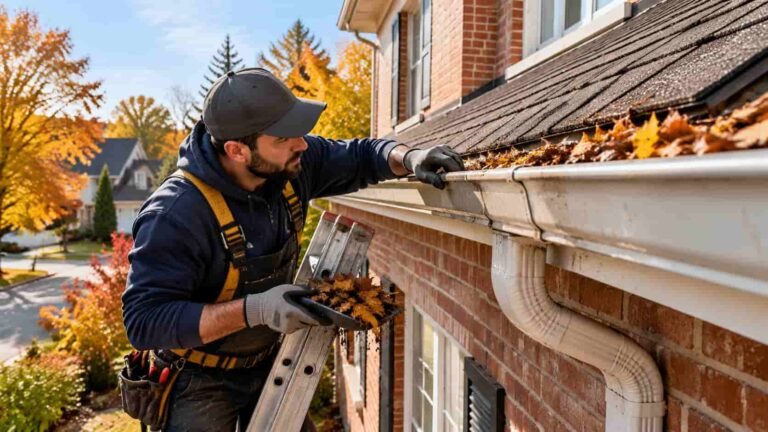
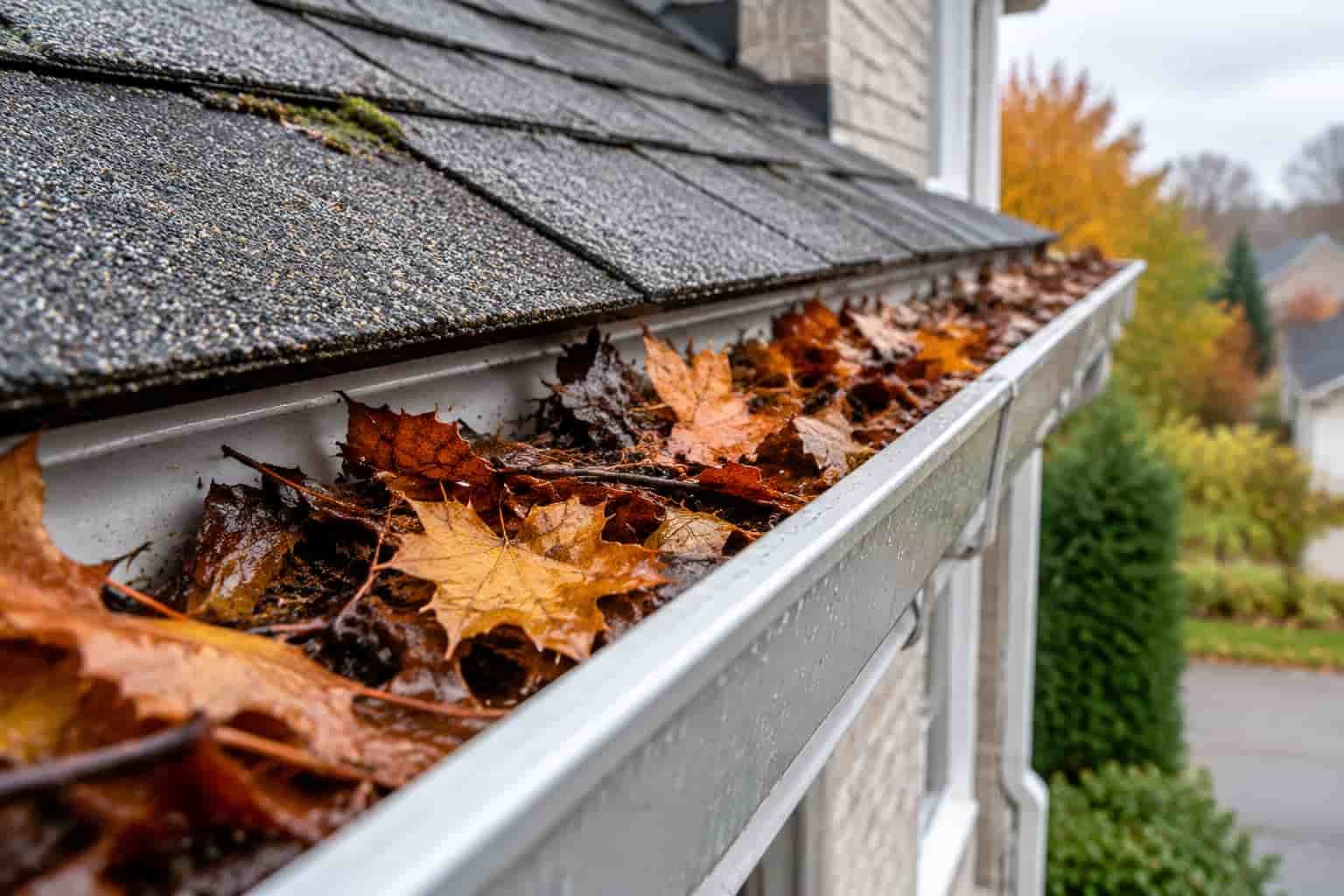
Gutter cleaning removes leaves, twigs, shingle grit, seeds and sludge from the troughs and downspouts. It solves problems caused by blockages, including:
- Water overflowing during rain
- Slow or blocked downspouts
- Standing water in the trough
- Plants or moss growing in the gutter
- Extra weight from wet debris pulling on brackets
In many cases, gutters that seem to need replacing actually just need a thorough clean and downspout flush. Our guide on what eavestrough cleaning involves explains what a proper clean includes.
What Gutter Cleaning Can’t Fix
Cleaning removes debris, but it can’t repair physical damage. It won’t fix:
- Sagging sections caused by bent or failed hangers
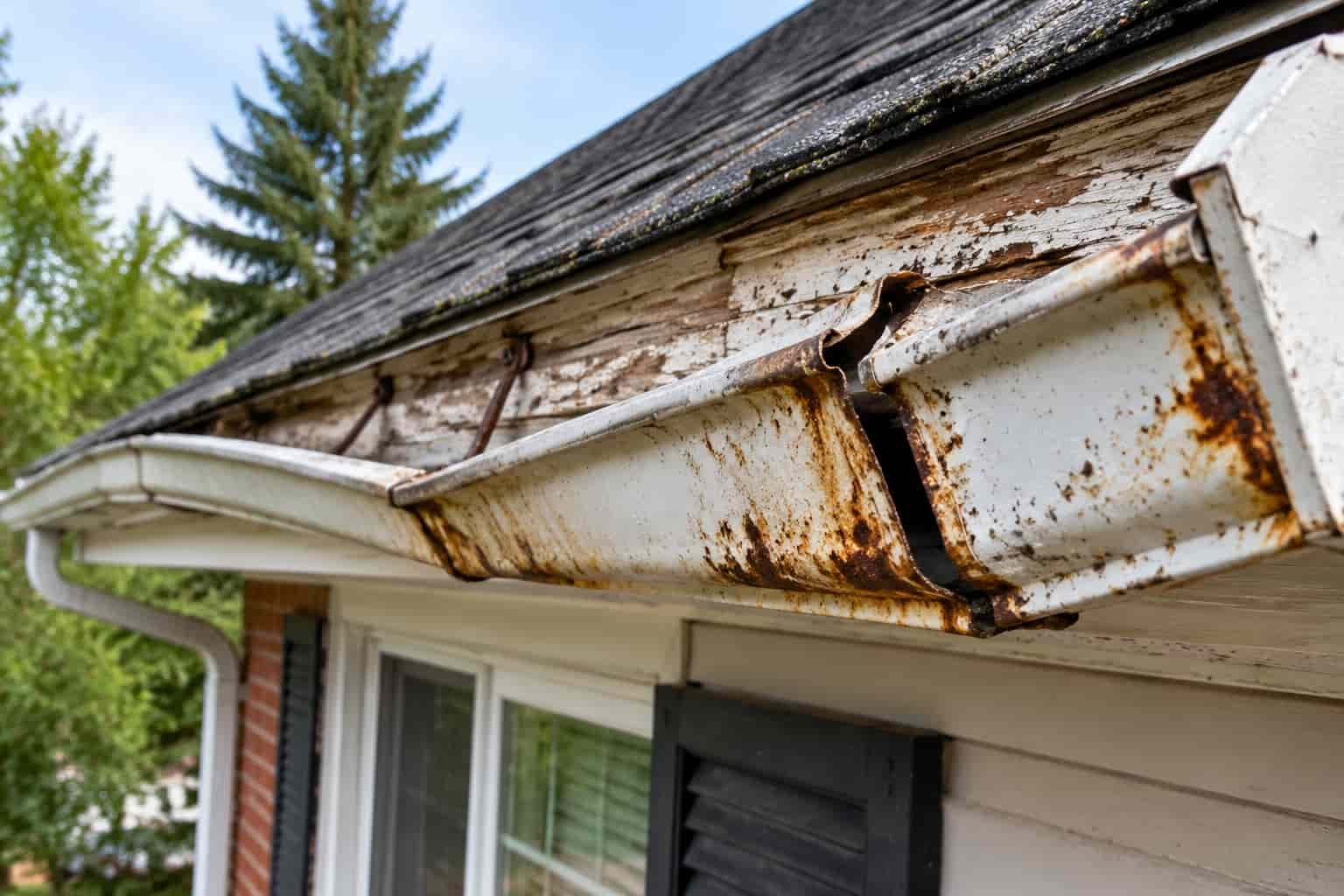
- Holes and rust-through in steel gutters
- Cracks in vinyl gutters
- Leaking seams and corners
- Incorrect slope that leaves water standing
- Gutters that are too small for the roof area
- Rotten fascia boards behind the gutter
These issues need repair or replacement.
Gutter Cleaning vs Repair vs Replacement
| Cleaning | Repair | Replacement | |
|---|---|---|---|
| Solves | Clogs, overflow from debris, slow downspouts | Isolated leaks, loose brackets, small sections of damage | Widespread damage, old or undersized systems |
| Typical cost | Lowest | Moderate | Highest |
| Frequency | Twice a year or more | As needed | Every 20 to 30 years for aluminum |
| Time | A few hours | A few hours | Usually one day |
| When it’s the right choice | Gutters structurally sound | Damage limited to a few spots | Repairs would be frequent or extensive |
Signs Your Gutters Only Need Cleaning
- Overflow during rain, but gutters look straight and secure
- Visible leaves, seeds or debris in the trough
- Downspouts draining slowly or not at all
- Small plants or moss growing in the gutter
- No visible rust, cracks or sagging
If these sound familiar, start with a professional clean and downspout check before considering anything more.
Signs Your Gutters Need Repair
- One or two leaking seams or corners
- A small section pulling away from the fascia
- A few loose or missing hangers
- Minor rust spots that haven’t gone through the metal
- A downspout that’s detached or damaged
Repairs like resealing seams, adding hangers or replacing a single downspout can extend gutter life significantly. Our guide on signs you need gutter repair covers these warning signs in more detail.
Signs Your Gutters Need Replacing
- Sagging or pulling away in several places
- Rust holes or widespread corrosion
- Cracks along vinyl sections
- Many leaking seams on sectional gutters
- Water standing in the gutter even when clean, because the slope is wrong
- Overflow during heavy rain even when clean, suggesting gutters are too small
- Rotten fascia behind the gutter
- Gutters over 20 years old with repeated repair needs
When several of these appear together, replacement is usually the better long-term choice.
How Gutter Age Affects the Decision
| Gutter material | Typical lifespan | Notes |
|---|---|---|
| Vinyl | 10 to 20 years | Can become brittle and crack in cold winters |
| Sectional aluminum | 15 to 25 years | Seams wear and leak over time |
| Seamless aluminum | 20 to 30 years | Fewer seams, longer life |
| Galvanized steel | 15 to 25 years | Strong but can rust |
| Copper | 50 years or more | Long-lasting, higher cost |
If your gutters are near the end of their expected lifespan and need repeated repairs, replacing them often costs less over time than continued fixes.
Comparing the Costs
Cleaning is the lowest-cost option and should be part of routine maintenance anyway. Repairs cost more but are worthwhile when damage is limited. Replacement is the biggest upfront cost but can save money if your current gutters need frequent repairs.
In Toronto, gutter cleaning is usually priced per linear foot or as a flat rate per home, while new gutter installation typically costs around $5 to $15 per linear foot plus downspouts. Our gutter installation cost guide breaks down replacement pricing by material and home type.
A Simple Decision Framework
Use these questions to guide your decision:
- Are the gutters straight and securely attached? If yes, cleaning may be all you need.
- Is the damage limited to one or two spots? If yes, repair is usually enough.
- Are the gutters older than 20 years? If yes, and repairs are frequent, consider replacement.
- Do clean gutters still overflow in heavy rain? If yes, they may be undersized and need replacing with larger gutters.
- Is the fascia soft or rotten? If yes, the fascia needs repair, and replacement is often done at the same time.
How Toronto Winters Affect Gutters
Toronto’s freeze-thaw cycles put gutters under more stress than milder climates. Water left in clogged gutters freezes and expands, widening cracks and pushing seams apart. Snow and ice add heavy weight, bending hangers and pulling gutters away from the fascia. Ice dams at the roof edge can also force water behind gutters and into the roofline.
This is why gutters that look fine in October can show new damage by April. Cleaning in late fall reduces the amount of water and debris that freezes inside, while a spring inspection catches damage early.
Can Gutter Guards Help You Avoid Replacement?
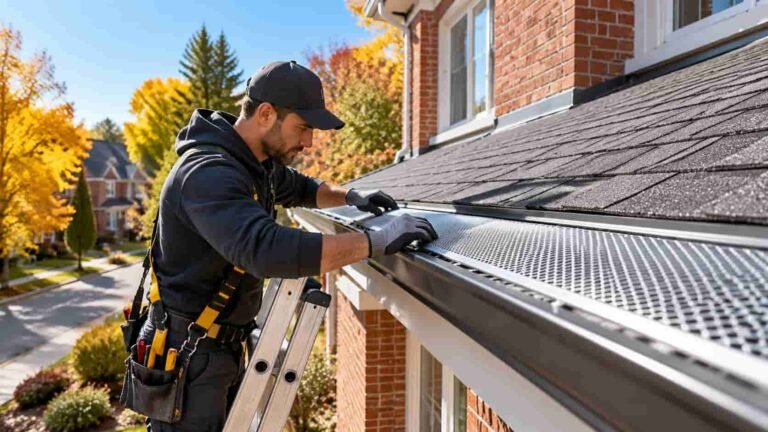
Gutter guards don’t fix existing damage, but they can help healthy gutters last longer by reducing debris buildup and the weight of wet leaves. They also reduce how often cleaning is needed. Guards should only be installed on gutters that are clean and structurally sound, since fitting them to failing gutters just delays replacement.
Cleaning Before Deciding
Before committing to replacement, it’s worth having gutters professionally cleaned and inspected. Heavy debris can hide the true condition of the gutter, and once cleaned, technicians can see whether seams, hangers and slope are actually in good shape. In practice, a clean-and-inspect visit often reveals that gutters only need minor repairs, saving homeowners the cost of unnecessary replacement.
DIY Checks You Can Do Safely
From the ground, you can look for:
- Sagging lines or uneven sections along the roof edge
- Water stains or peeling paint on siding below gutters
- Gaps between the gutter and the fascia
- Rust streaks or visible holes
- Downspouts disconnected or damaged at joints
- Erosion or pooling near the foundation
Leave ladder work and detailed inspection to professionals, especially on two and three-storey homes.
What Happens If You Wait Too Long
Delaying cleaning or replacement can lead to bigger problems:
- Water damage to fascia boards and soffits
- Foundation cracks and basement leaks from overflowing water
- Damaged landscaping and soil erosion
- Ice dams and roof leaks in winter
- Rotting wood and mold behind gutters
These repairs often cost far more than routine cleaning or a timely gutter replacement.
Cleaning vs Replacement by Home Age
| Home age | Typical situation | Usual recommendation |
|---|---|---|
| Under 10 years | Original gutters in good condition | Regular cleaning, guards if trees nearby |
| 10 to 20 years | Some wear on seams and hangers | Cleaning plus targeted repairs |
| 20 to 30 years | Gutters approaching end of life | Inspect closely, plan for replacement |
| Over 30 years, or older homes | Original or patched systems | Replacement often more cost-effective |
Older Toronto neighbourhoods, such as the Annex, Leslieville and Riverdale, often have homes with gutters that have been repaired many times. In these cases, replacing the whole system can be simpler and more reliable than continuing to patch.
Partial Replacement: A Middle Option
You don’t always have to replace every gutter at once. If damage is concentrated on one side of the house, such as a north-facing section that collects more ice, replacing only that run can be practical. Matching material, size and colour matters so new sections connect properly and look consistent. Partial replacement works best when the rest of the system is still in good shape.
Downspouts: Often the Real Problem
Many overflow problems come from downspouts rather than the gutters themselves. A blocked elbow, crushed section or disconnected downspout can make even clean gutters overflow. Before replacing gutters, make sure downspouts are flushed and checked. Adding an extra downspout to a long gutter run can also solve overflow without full replacement.
Fascia Damage and Its Effect on the Decision
The fascia board behind your gutters plays a big role in whether gutters stay attached. Soft or rotten fascia can’t hold hangers securely, so gutters sag even if the gutters themselves are fine. If fascia damage is found, it needs repair or replacement before gutters are reattached. Since gutters must come down for this work anyway, many homeowners choose to replace older gutters at the same time.
Planning Ahead: Budgeting for Replacement
If your gutters are approaching 20 years old, it helps to plan for replacement rather than waiting for failure. Regular cleaning and inspections let you track wear over time, so you can budget for a planned replacement in a convenient season rather than paying for urgent repairs after a storm or heavy winter.
Cleaning Frequency to Extend Gutter Life
Regular cleaning is the simplest way to delay replacement. Most Toronto homes need cleaning twice a year, in spring and late fall. Homes under mature trees may need three or four cleanings a year. Keeping gutters clear reduces the weight on hangers, prevents standing water from corroding metal and lowers the risk of ice damage in winter.
Environmental and Cost Benefits of Repairing First
Replacing gutters that still have years of life left adds unnecessary cost and waste. When gutters are structurally sound, cleaning and small repairs keep them working longer. Aluminum and steel gutters that are eventually removed can usually be recycled, so ask your installer how old gutters are disposed of if replacement is needed.
Best Time of Year to Decide
Spring and fall are the best times to assess gutters. A spring inspection shows any damage caused by winter ice and snow, while a fall clean and inspection prepares gutters for the coming freeze. If replacement is needed, scheduling it in late spring, summer or early fall avoids working on icy rooflines and gives your home a reliable system before winter.
Insurance and Gutter Damage
Home insurance in Ontario generally doesn’t cover gutter damage caused by wear, lack of maintenance or age. Storm damage may be treated differently, depending on your policy. Keeping records of regular cleaning and inspections can help show your gutters were maintained if you ever need to make a claim.
Questions to Ask a Gutter Professional
- Is the problem caused by debris or by damage to the gutter itself?
- Can the damage be repaired, or is replacement more cost-effective?
- How old are my gutters, and how much life do they have left?
- Is the fascia behind the gutter in good condition?
- Are my gutters the right size for my roof?
- Would gutter guards help after cleaning or replacement?
A trustworthy company will recommend cleaning or repair when that’s enough, rather than pushing replacement.
Getting a Professional Assessment
If you’re unsure whether your gutters need cleaning, repair or replacement, a professional clean and inspection is the best starting point. To book a visit, request a free eavestrough cleaning and inspection estimate and mention any overflow, sagging or leaks you’ve noticed.
Frequently Asked Questions
How do I know if my gutters need cleaning or replacing? If gutters are straight and secure but overflowing, they usually need cleaning. If they’re sagging, rusted, cracked or leaking in several places, replacement may be needed.
Can old gutters be cleaned instead of replaced? Yes, if they’re still structurally sound. Cleaning and minor repairs can extend their life.
How long do gutters last before replacement? Seamless aluminum gutters often last 20 to 30 years, vinyl 10 to 20 years, and copper 50 years or more.
Is it cheaper to repair or replace gutters? Repairs are cheaper for isolated damage. If repairs are frequent or widespread, replacement is often more cost-effective over time.
Why do my gutters overflow even after cleaning? They may be undersized, sloped incorrectly or have blocked downspouts lower down.
Do Toronto winters damage gutters? Yes. Freeze-thaw cycles, ice and snow weight can crack seams, bend hangers and pull gutters away from the house.
Should I clean my gutters before getting them replaced? A clean and inspection first helps confirm whether replacement is really needed.