Window screen cleaning is the process of removing dust, dirt, pollen, and debris from the mesh and frame of your window screens to improve air flow, visibility, and indoor air quality. In a city like Toronto, where road salt lingers through late winter and pollen peaks in spring, window screens take a beating year-round. Left uncleaned, screens can trap allergens, block natural light, and shorten the lifespan of an otherwise durable fixture. This guide walks through everything homeowners across the Greater Toronto Area need to know — from the tools required and step-by-step cleaning methods to how often the job should be done and when it is time to call in a professional. Whether tackling the task yourself or looking for expert help, Silkwaters Windows & Eaves Cleaning has the answers.
Why Clean Window Screens Matter for Toronto Homeowners
Window screens serve as the first line of defence between your home’s interior and the outdoor environment. Over time, the fine mesh collects everything the wind carries — pollen, dust, exhaust particles, pet dander, and seasonal debris. In Toronto and the GTA, the combination of winter road salt residue, spring pollen surges, and summer humidity makes screens particularly prone to buildup.
The consequences of neglecting window screen cleaning go beyond aesthetics:
- Reduced air quality: As air passes through a clogged screen, it dislodges trapped particles into your living space, worsening allergies and respiratory irritation.
- Diminished visibility: A dirty screen obscures natural light and outdoor views, making rooms feel darker than they should.
- Shorter screen lifespan: Salt, pollen acids, and grime degrade mesh fibres over time, leading to premature tearing and frame corrosion.
- Dirtier windows: Rain carries screen debris directly onto the glass below, making professional window cleaning less effective without addressing the screens first.
How Often Should Window Screens Be Cleaned?

The standard recommendation is to clean window screens twice per year — once in spring and once in autumn. This schedule aligns with the natural cycle of seasonal buildup and prepares screens for the demands of each season ahead.
For Toronto homeowners specifically, a spring cleaning removes road salt residue and winter grime before pollen season begins. An autumn cleaning clears the summer’s accumulated dust and pollen before screens are stored or left in place through freezing temperatures.
Increased frequency may be warranted in the following situations:
- Homes near busy roads or construction zones with elevated dust levels
- Properties surrounded by mature trees that shed heavily in spring and autumn
- Households with allergy sufferers who require consistently clean indoor air
- Homes with pets, whose dander accumulates rapidly on mesh surfaces
Tools and Supplies Needed to Clean Window Screens
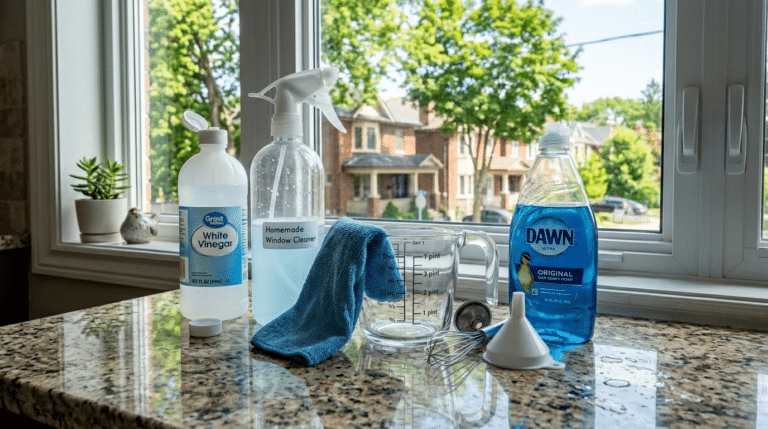
Gathering the right materials before starting saves time and reduces the risk of screen damage. Most items are already found in a typical household:
- Soft-bristled scrub brush or sponge: Essential for agitating dirt without stretching or tearing the mesh.
- Mild dish soap or white vinegar: A solution of dish soap and warm water, or a 50/50 mix of white vinegar and water, effectively cuts through grime without harsh chemicals.
- Garden hose with low-pressure nozzle: Used for rinsing. High-pressure settings risk loosening the screen from its spline or stretching fiberglass mesh.
- Microfiber cloths or clean towels: For absorbing excess moisture and wiping down frames.
- Vacuum with brush attachment: Useful for a dry first pass to remove loose debris before wet cleaning.
- Large bucket: For mixing cleaning solution and rinsing the brush during scrubbing.
How to Clean Window Screens: Step-by-Step
The most thorough cleaning method involves removing screens from their frames. This approach allows full access to both sides of the mesh and ensures no debris is left behind.
Step 1: Remove the screen carefully.
Most window screens are held in place by small tabs or pins along the bottom edge. Press both tabs inward simultaneously and push the screen upward slightly before pulling it free from the frame. For screens without tabs, a flat-head screwdriver inserted gently at a corner can release the tension. If cleaning multiple screens at once, label each one with tape and marker so they return to their original windows—screens are sized individually and may not be interchangeable.
Step 2: Vacuum Away Loose Debris
Before introducing any liquid, run a vacuum’s soft brush attachment across both sides of the screen. This removes spider webs, loose dust, and dry debris that would otherwise turn to muddy streaks once wet. This step is especially worthwhile on screens that have not been cleaned in over a year.
Step 3: Rinse with Low-Pressure Water
Using a garden hose set to its gentlest spray setting, rinse both sides of the screen to loosen surface grime. Prop the screen upright against a wall or fence for easiest access. Avoid jet or high-pressure settings entirely—excess pressure can separate the mesh from the frame or cause irreversible sagging.
Step 4: Scrub with Cleaning Solution
Mix a few drops of mild dish soap into a bucket of warm water (roughly one gallon), or prepare a 50/50 vinegar and water solution. Dip a soft-bristled brush or sponge into the solution and scrub both sides of the screen using light, circular motions from top to bottom. Re-dip the brush frequently and refresh the solution if it becomes visibly dirty. Apply only moderate pressure — the goal is to lift grime from the mesh openings, not force it deeper.
Step 5: Final Rinse and Inspection
Rinse both sides thoroughly with the hose to flush away all soap residue. Hold the screen up to the light to check for any remaining dirty patches. Spot-clean as needed before moving on to drying.
Step 6: Dry Completely Before Reinstalling
Shake excess water from the screen, then wipe the frame with a dry towel. Lean the screen against a clean, dry surface in a well-ventilated area or in direct sunlight. Never reinstall a damp screen—trapped moisture between the screen and window frame can encourage mold growth and frame warping over time.
How to Clean Window Screens Without Removing Them
Not every screen is easily removable, and for upper-floor windows in particular, avoiding ladder work is a reasonable safety priority. The following methods offer effective results without full removal:
- Vacuum brush method: Use an extendable vacuum attachment to sweep both sides of the screen from inside. Effective for routine maintenance between deep cleans.
- Spray bottle and microfiber cloth: Fill a spray bottle with a vinegar-water solution and mist both sides of the screen. Wipe with a damp microfiber cloth, then follow up with a clean, dry cloth to prevent streaking.
- Lint roller for light maintenance: Rolling a lint roller across the interior side of the screen picks up pet hair and surface dust quickly. Best for bi-weekly upkeep rather than a seasonal clean.
- Low-pressure hose from outside: With windows closed, a gentle spray from a garden hose dislodges exterior surface dirt without requiring removal. This is most practical for ground-floor screens.
Does Screen Material Affect How You Clean It?
Yes, the material of the screen mesh influences how vigorously it can be cleaned and what tools are appropriate.
- Fiberglass screens: The most common type in Canadian homes. Flexible but relatively delicate — requires gentle pressure and a soft brush to avoid stretching or warping the mesh.
- Aluminum screens: More rigid and durable than fiberglass. Can withstand slightly firmer scrubbing but still benefits from low water pressure to prevent frame denting.
- Solar and specialty screens: Used to block UV light or improve energy efficiency. These often have tighter mesh and require extra care — always follow manufacturer guidance before applying any cleaning solution.
Common Window Screen Cleaning Mistakes to Avoid
Even well-intentioned cleaning efforts can cause damage when the wrong techniques are used. The following mistakes are among the most common:
- Using high water pressure: Power washing a screen is one of the fastest ways to separate mesh from its spline or create permanent sagging. Always use a gentle setting.
- Using abrasive cleaners or steel wool: Harsh scrubbing tools and chemical cleaners damage mesh fibers and corrode aluminum frames. Stick to mild soap or diluted vinegar.
- Reinstalling screens before they are fully dry: Moisture trapped between the screen and window frame creates conditions for mold and frame damage. Allow at least several hours of air-drying time.
- Applying too much pressure while scrubbing: Pressing hard on the mesh causes it to stretch and deform, creating gaps that allow insects to pass through.
- Skipping the label step when removing multiple screens: Screens are sized to their specific window openings. Mixing them up during reinstallation often leads to gaps or poor fit.
When Should Window Screens Be Repaired or Replaced?
Regular cleaning extends screen life significantly, but not indefinitely. During each cleaning session, inspect screens for the following signs of damage:
- Tears, holes, or fraying edges in the mesh that allow insects to enter
- Bent or warped frames that no longer sit flush against the window opening
- Sagging or stretched mesh that has separated from the spline
- Visible corrosion or rust on aluminum frame corners
- Screens that no longer stay in place or fall out of their tracks
Minor tears can sometimes be patched with screen repair tape, but screens with multiple damage points or severely warped frames are best replaced entirely. Investing in quality replacement screens also presents an opportunity to upgrade to specialty mesh options that offer improved UV protection or allergen filtering.
When to Call a Professional Window Cleaning Service
DIY screen cleaning is manageable for ground-floor windows with easy access. However, several situations make professional service the safer and more practical choice:
- Multi-story homes where reaching upper windows requires ladder work
- Homes with a large number of windows and limited time for a full clean
- Screens that require inspection for damage or replacement
- Commercial or luxury properties requiring consistent, high-standard results
Silkwaters Windows & Eaves Cleaning provides professional window cleaning services across Toronto and the Greater Toronto Area, including Etobicoke, North York, Scarborough, Mississauga, Markham, Vaughan, Richmond Hill, Pickering, Ajax, and Whitby. The team uses eco-friendly cleaning solutions and industry-proven techniques to clean both windows and screens to a streak-free finish. For homes with heavily soiled eavestroughs alongside dirty screens, combining a window cleaning visit with eavestrough cleaning maximizes the value of each service call and reduces the need for multiple appointments.
Summary: Keeping Your Window Screens Clean in Toronto
Cleaning window screens is a straightforward maintenance task that pays dividends in cleaner air, better natural light, and longer-lasting fixtures. For Toronto homeowners, the twice-yearly schedule — aligned with spring and autumn — is the most effective approach, with adjustments for properties exposed to heavy seasonal debris or dust.
Removing screens for a full soap-and-water wash delivers the best results. For quick maintenance between deep cleans, a vacuum brush or lint roller keeps buildup manageable. Always inspect screens for damage during each cleaning and address repairs promptly to avoid letting small issues become larger ones.For homeowners across the GTA who prefer to leave window and screen cleaning in experienced hands, Silkwaters Windows & Eaves Cleaning offers free, no-obligation estimates for residential and commercial properties. Whether the need is a seasonal clean, a post-construction refresh, or ongoing property maintenance, the team is equipped to deliver results that meet the highest standards of exterior care.