TL;DR
- Power washing uses heated, high-pressure water, while pressure washing uses pressure alone without heat.
- The two terms are often used interchangeably, but the distinction matters for surfaces that can be damaged by heat or excessive pressure.
- Concrete, brick and driveways generally tolerate high pressure well, while siding, stucco and painted surfaces often need a gentler soft-wash approach.
- In the GTA, spring is the most useful time to power wash, since it removes a full winter’s worth of road salt and grime in one visit.
- Using the wrong pressure or technique on the wrong surface is the most common cause of accidental property damage from this service.
What Power Washing Actually Is
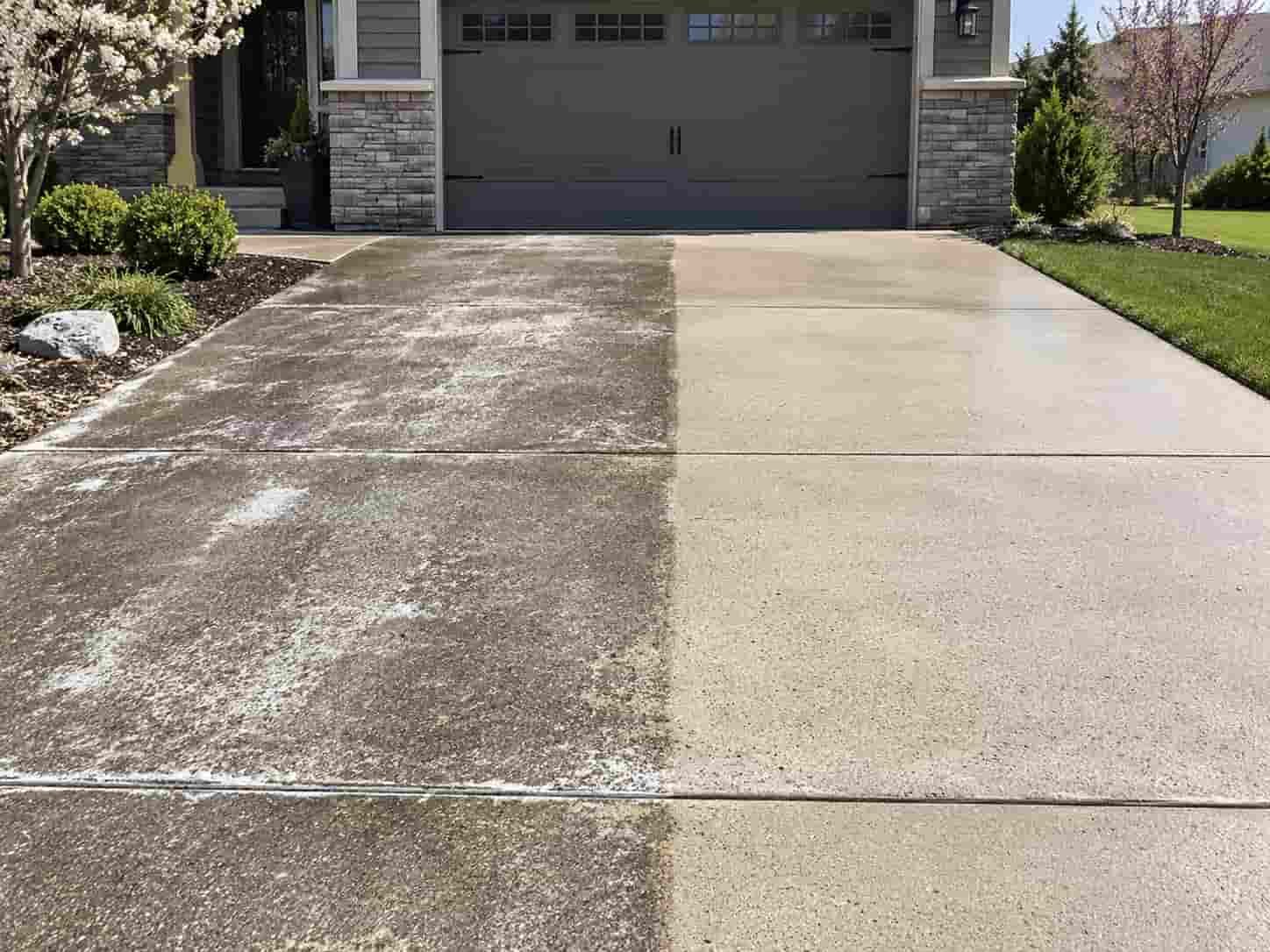
Power washing is a cleaning method that uses heated water under high pressure to remove dirt, grime, mold, mildew and algae from hard exterior surfaces. The heat is what sets it apart from plain pressure washing, since hot water breaks down oily residue, grease and biological buildup more effectively than pressure alone (Angi home services guidance, 2024). It’s commonly used on driveways, sidewalks, decks, patios, fences and building exteriors, restoring surfaces that have built up months or years of weathering and accumulated grime.
Power Washing vs Pressure Washing: What’s the Actual Difference
This distinction gets blurred constantly in casual conversation, but it matters more than people realise once a specific surface is involved.
| Power washing | Pressure washing | |
| Water temperature | Heated | Unheated |
| Best suited for | Grease, oil stains, mold, mildew, algae | General dirt, dust, loose grime |
| Surface risk | Higher, heat can affect some materials | Lower, though high pressure alone can still damage soft surfaces |
| Typical uses | Driveways, garage floors, oily stains | Siding, fences, general exterior surfaces |
In practice, most residential exterior cleaning actually uses pressure washing rather than true power washing, since heated water is really only necessary for specific stubborn stains like grease or heavy algae buildup.
Which Surfaces Handle High Pressure Well
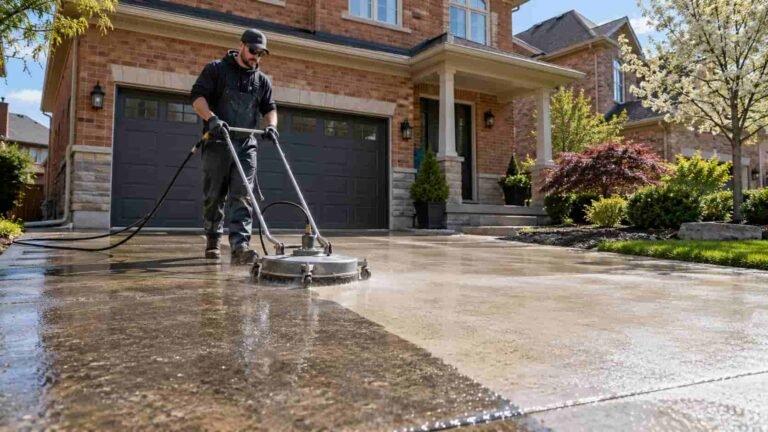
Hard, dense materials generally tolerate strong pressure without much risk of damage. Concrete driveways, brick, stone patios and paved walkways can typically handle higher PSI settings, since these surfaces are built to withstand consistent wear and don’t have a delicate outer coating that pressure can strip away.
Which Surfaces Need a Gentler Approach
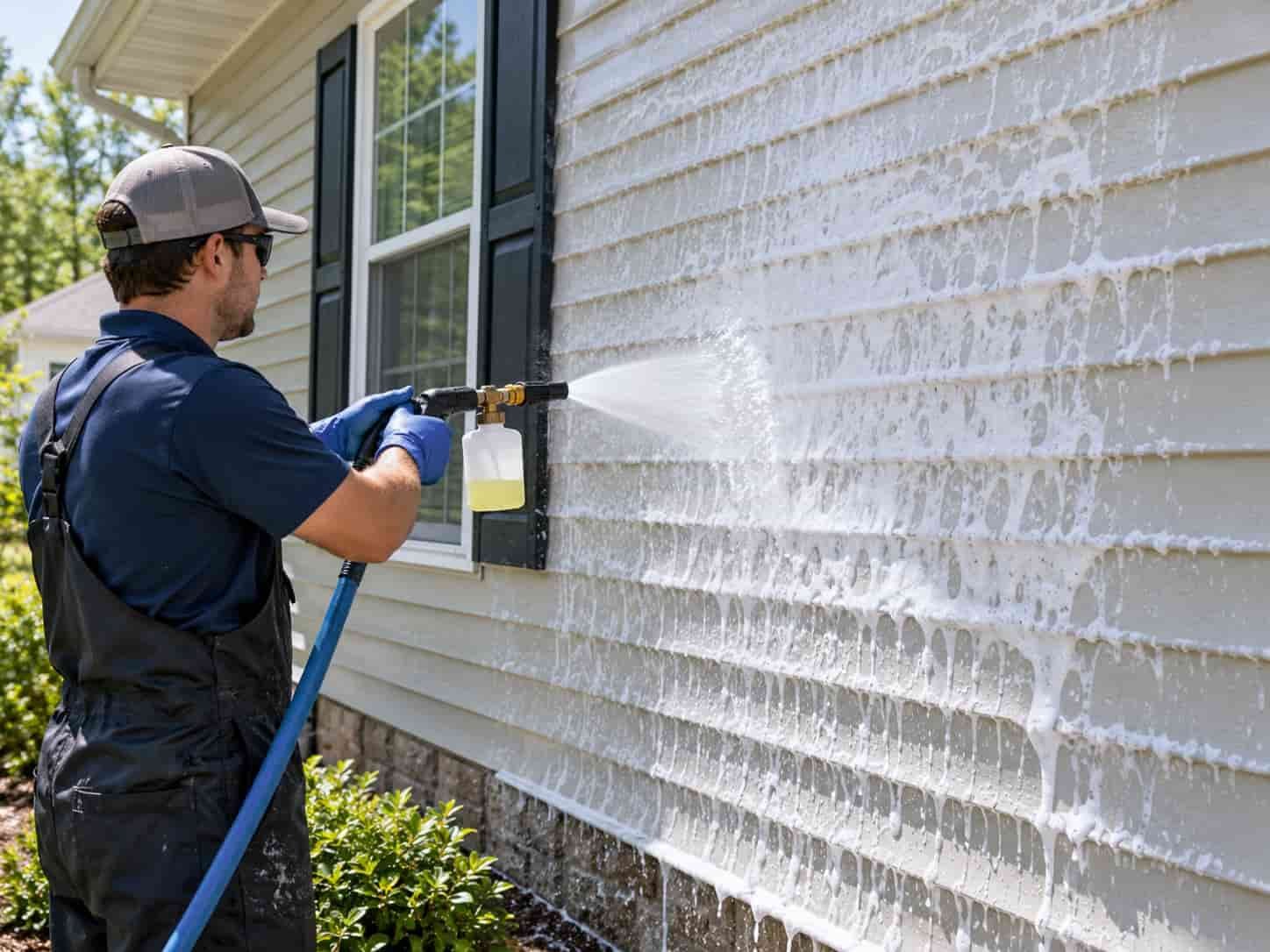
This is the part most generic power washing content glosses over, and it’s exactly where damage happens most often. Vinyl and wood siding, stucco, painted surfaces, roof shingles and softwood decking can all be damaged by pressure that’s too high or water forced at the wrong angle, stripping paint, driving water behind siding panels, or loosening shingle granules. For these surfaces, a soft-wash method, lower pressure combined with a cleaning solution that does more of the actual work, is the safer and often more effective choice. In practice, a technician adjusting pressure and nozzle angle to the specific material being cleaned is what separates a proper professional job from simply renting equipment and blasting a surface at maximum setting.
Why Timing Matters More in the GTA Than Most Guides Mention
Generic power washing advice treats timing as a matter of personal preference, but in Toronto and the GTA it’s genuinely tied to the seasonal cycle. Winter road salt gets tracked onto driveways, walkways and lower siding, and left through spring and summer, it can contribute to surface staining and, on concrete, gradual surface degradation over repeated freeze-thaw cycles (Ontario exterior maintenance guidance, 2024). A spring power wash removes this buildup in one visit, which is also typically when mold and algae growth from a damp, shaded winter becomes most visible as temperatures rise. Fall is a secondary useful window, clearing summer pollen and organic buildup before winter sets back in.
Common Surfaces That Benefit Most From Power Washing
- Driveways and garage floors, particularly where oil or grease stains have built up
- Concrete walkways and patios showing dirt, algae or mildew discoloration
- Fences and decks, using the appropriate pressure setting for the material
- Building exteriors and commercial storefronts, improving curb appeal and first impressions
- Siding, using a soft-wash approach rather than high-pressure direct spray
How Often Power Washing Is Actually Needed
Most residential driveways and hard surfaces benefit from an annual power wash, typically in spring after winter salt and grime have accumulated. Siding and softer exterior surfaces often only need attention every 1 to 2 years, unless there’s visible mold, algae or heavy staining sooner. Commercial properties, particularly storefronts and walkways with heavy foot traffic, often benefit from more frequent attention given how quickly grime affects visible curb appeal in a customer-facing setting.
Why This Is Often Booked Alongside Window and Eavestrough Cleaning
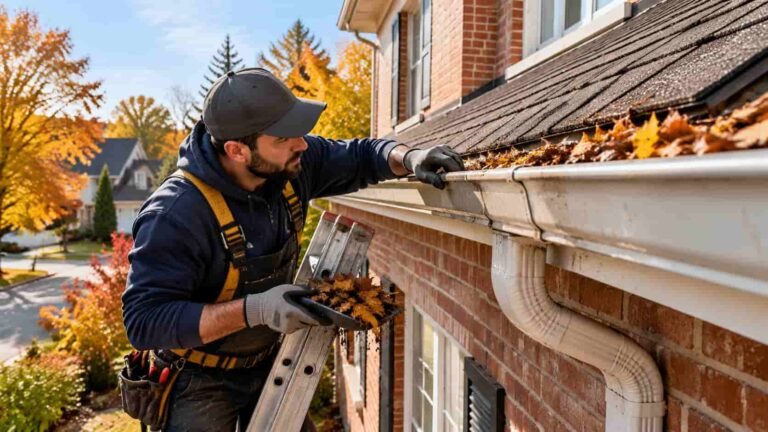
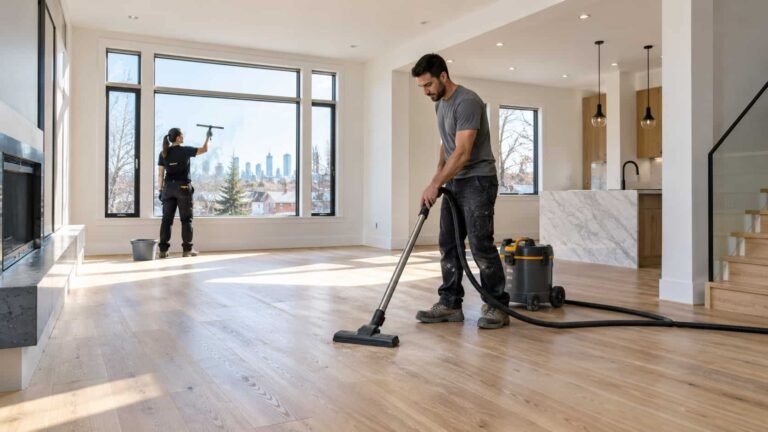
This connection gets missed in most standalone power washing guides, even though it’s a practical scheduling advantage worth knowing. Power washing, window cleaning and eavestrough cleaning often use overlapping access equipment and are frequently booked in the same seasonal visit, particularly in spring when all three tasks are addressing the same winter buildup at once. Bundling these into a single appointment reduces the total access setup time compared to booking each service separately across the season.
Frequently Asked Questions
Is power washing the same as pressure washing?
Not exactly. Power washing uses heated water, which is more effective on grease and biological buildup, while pressure washing uses pressure alone without heat.
Can power washing damage my siding?
Yes, if the wrong pressure or technique is used. Siding, stucco and painted surfaces generally do better with a gentler soft-wash approach rather than high-pressure direct spray.
How often should a driveway be power washed?
Most residential driveways benefit from an annual power wash, ideally in spring to remove winter road salt and accumulated grime.
Is power washing safe for older or more delicate exterior surfaces?
It can be, provided the pressure and method are adjusted specifically for that surface. This is one of the main reasons professional technique matters more than the equipment itself.
What’s the best time of year to power wash a home in the GTA?
Spring is generally the most useful window, since it clears a full winter’s worth of salt and grime in one visit before summer growth and staining set in.
Should I power wash my house myself or hire a professional?
Rented equipment can work for simple, hard surfaces like driveways, though soft surfaces like siding and roofing carry real damage risk without the right technique, which is where professional experience matters most.