TL;DR
- An ice dam forms when snow melts on the roof, runs down and refreezes at the cold edge, in the eavestrough or along the eaves (IBC, 2026).
- The main factors are inadequate attic insulation, poor attic ventilation and heavy snow with blocked eavestroughs (IBC, 2026).
- Prevention starts with clear eavestroughs before winter, then insulation, ventilation, a roof rake and sensible roof maintenance.
- Clean gutters do not stop ice dams on their own, but blocked ones make refreezing more likely.
- Do not climb onto an icy roof or chip ice. Call a qualified professional, and contact your insurer if water enters the home.
What Is an Ice Dam and Why Does It Form?
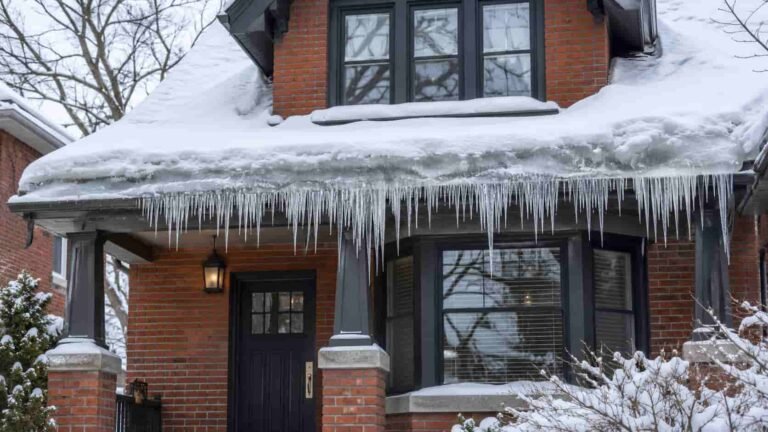
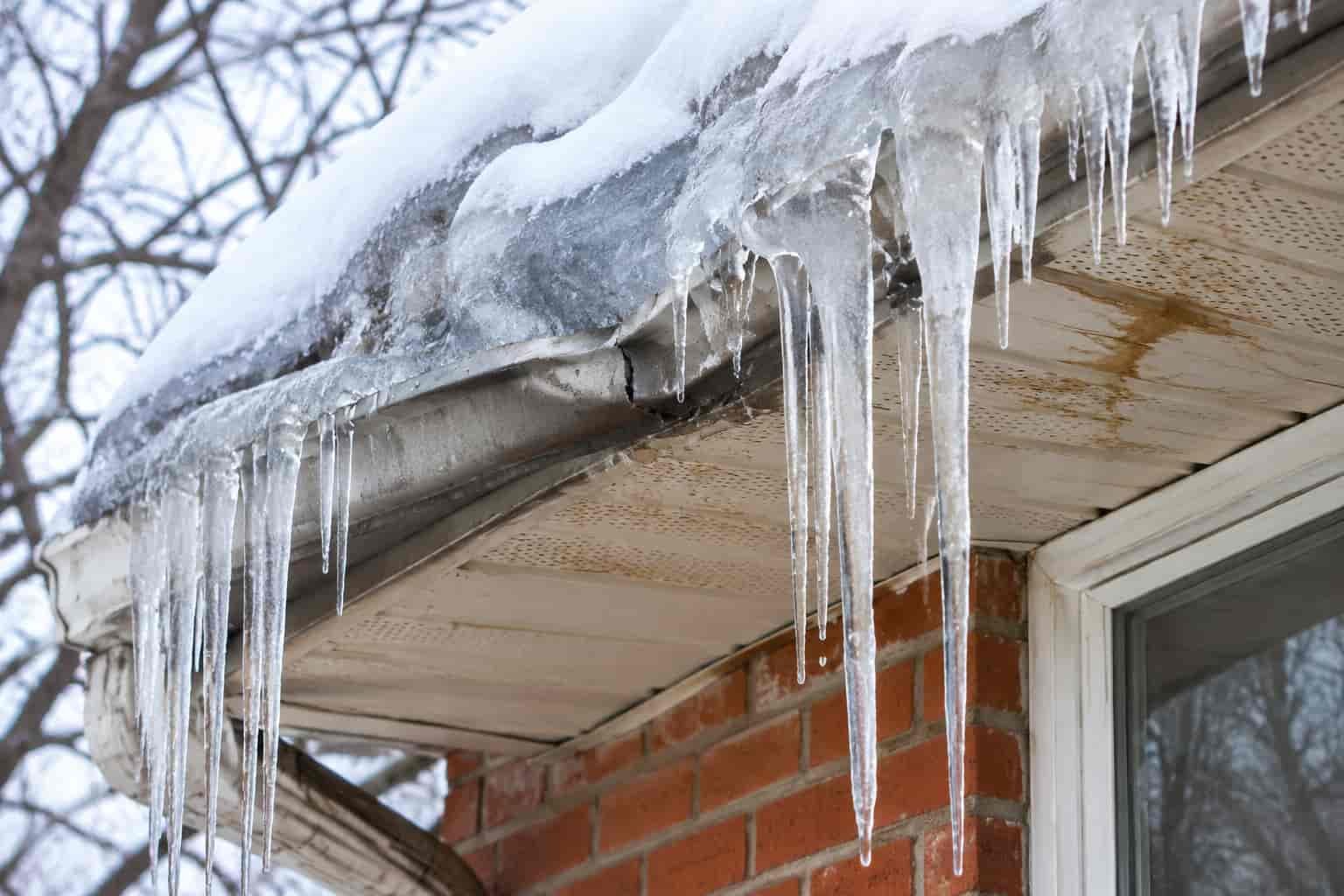
An ice dam is a ridge of ice at the edge of a roof that stops melting snow from draining. Snow melts higher up the roof, the water runs down to the colder edge, and it refreezes in the eavestrough or along the eaves. The ice builds up, and meltwater behind it has nowhere to go (IBC, 2026).
When that trapped water finds a way under the shingles, it can enter the attic, the ceiling and the walls. That is how a small ridge of ice becomes a water damage claim.
| Stage | What happens |
|---|---|
| 1 | Snow settles on the roof |
| 2 | Upper roof warms, snow melts and water runs downslope |
| 3 | Water reaches the cold eave and refreezes |
| 4 | Ice builds into a dam along the edge |
| 5 | New meltwater backs up behind the dam |
| 6 | Water can seep under shingles and into the house |
What Causes Ice Dams on Toronto Homes?
IBC lists three main factors: inadequate attic insulation, poor attic ventilation and heavy snow combined with blocked eavestroughs (IBC, 2026). The first two let heat escape into the attic, warming the roof from below. The third gives the meltwater a place to refreeze.
Toronto winters swing between freezing nights and milder days, and heavy snowfalls add to the risk. A roof that is warm in one section and cold at the edge is where ice dams tend to form.
| Cause | Why it contributes | Who can fix it |
|---|---|---|
| Inadequate attic insulation | House heat reaches the roof and melts snow | Insulation contractor |
| Poor attic ventilation | Warm air stays trapped under the roof deck | Roofer or insulation contractor |
| Blocked eavestroughs | Water cannot drain and refreezes at the edge | Eavestrough cleaning company or homeowner |
| Heavy snow load | More snow means more meltwater | Homeowner with a roof rake, or a professional |
How Do You Prevent Ice Dams Before Winter?
Prevent ice dams by keeping heat out of the attic, letting the roof stay cold and keeping water paths clear. IBC recommends clearing eavestroughs, checking insulation and ventilation, using a roof rake after snowfall, considering heat cables and keeping up with roof maintenance (IBC, 2026).
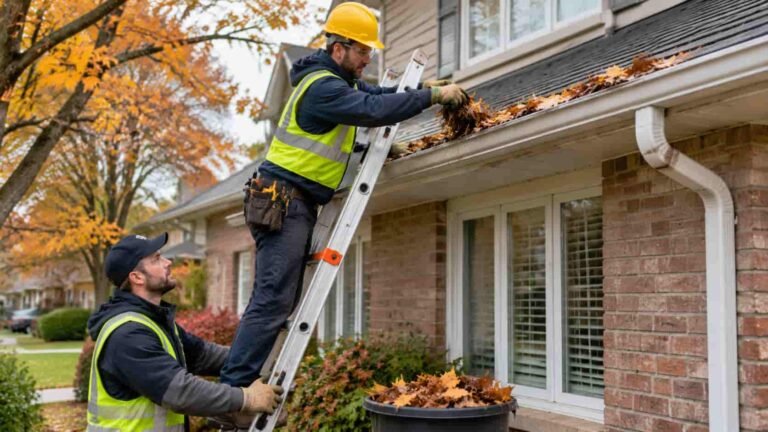
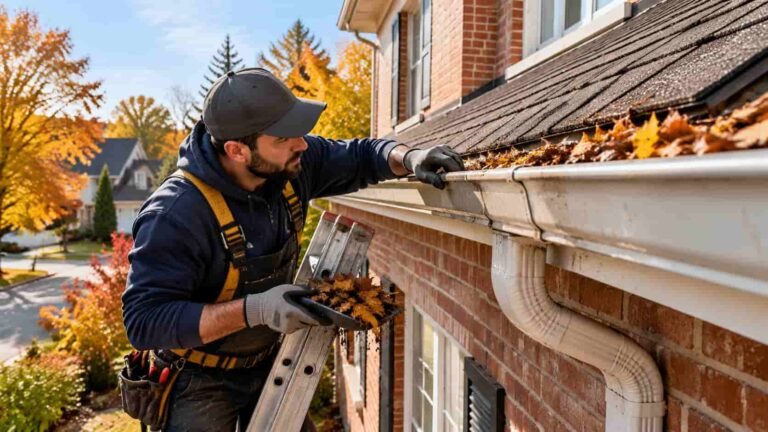
- Clear leaves and debris from eavestroughs and downspouts in the autumn
- Have your attic insulation and ventilation checked
- Seal gaps where warm air can leak into the attic, such as around hatches and pipes
- Check the roof for damaged or missing shingles
- Keep a roof rake ready for heavy snowfall
- Consider heat cables on problem edges
Why Does Attic Insulation Matter?
Insulation keeps the heat of your home out of the attic. When the attic stays cold, the roof surface stays closer to the outdoor temperature, so snow melts more evenly or not at all. When heat leaks upward, parts of the roof warm up and snow melts while the edge stays frozen.
Insulation needs and standards differ by house, and we are not insulation contractors. If you suspect that your attic is under-insulated, ask a qualified contractor to assess it, and check any requirements for your home before work starts.
Why Does Attic Ventilation Matter?
Ventilation lets cold outdoor air move under the roof deck, which carries away rising warm air and keeps the roof surface cooler. Poor ventilation lets warm, moist air sit in the attic, which can help snow melt and also contribute to other problems.
Look for signs such as frost on the underside of the roof deck in winter, a very warm attic or uneven snow melt on the roof. A roofer or insulation contractor can check the vents and airflow.
How Do Eavestroughs Affect Ice Dams?
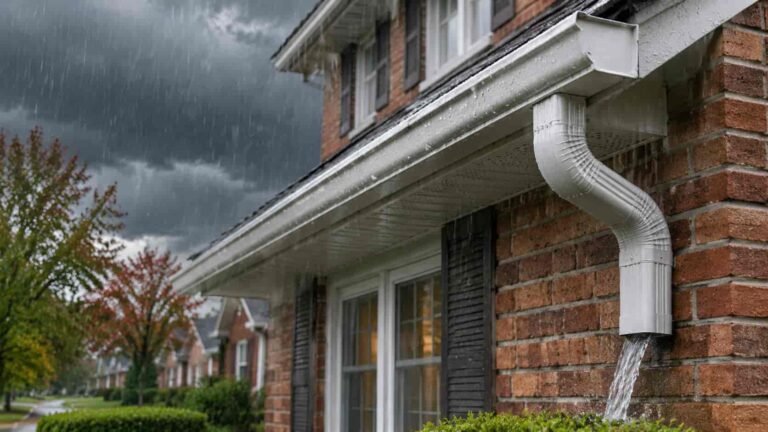
Eavestroughs do not cause ice dams on their own, but blocked ones make refreezing at the edge more likely. When leaves and debris fill the trough, meltwater cannot drain and sits at the eave, where it freezes. IBC lists heavy snow combined with blocked eavestroughs as a key factor (IBC, 2026).
Keeping eavestroughs clear before the first freeze is one of the simplest steps you can take. Our guide to eavestrough cleaning explains what the job involves and when to do it.
For a wider autumn checklist, see how to prepare gutters for storm season.
Do Gutter Guards Stop Ice Dams?
Gutter guards keep leaves and large debris out of the trough, which helps water drain, but they are not a cure for ice dams. The root causes, heat loss and poor ventilation, remain. Treat guards as one part of the system, not a substitute for insulation and ventilation.
We do not make claims about how any specific guard performs in ice. If you are thinking about guards, ask the installer how the product behaves in freezing conditions.
How Do You Safely Remove Snow From a Roof Edge?
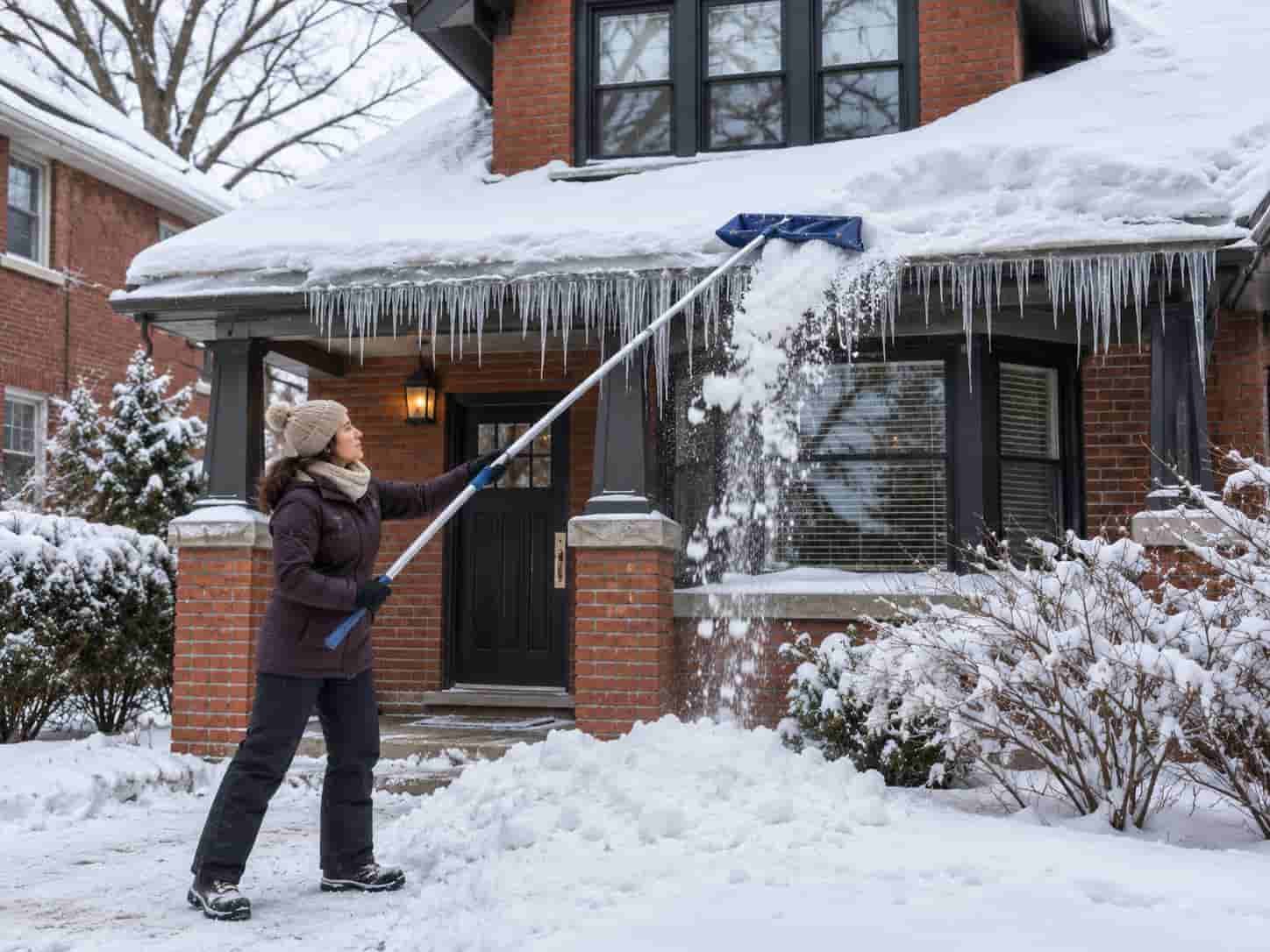
Use a long-handled roof rake from the ground, after snowfall, and only where it is safe to do so. Pulling snow off the lower roof edge reduces the amount that can melt and refreeze. Stay clear of power lines, avoid pulling hard on shingles and stop if snow is icy or stuck.
- Work from the ground, not from a ladder or the roof
- Keep clear of the area where snow will fall
- Do not use sharp tools, picks or hammers on ice
- Do not use rock salt on the roof, since it can damage materials and drainage
- Stop if the snow is heavily packed or iced, and call a professional
The IBC page does not give step-by-step removal instructions, and removing an existing ice dam is a job for a qualified professional (IBC, 2026).
Should You Climb Up and Chip the Ice Away?
No. Working on an icy roof or a ladder in winter is dangerous, and chipping at ice can damage shingles, eavestroughs and soffits. If an ice dam has already formed and water is coming in, call a qualified professional. Do not try to fix it yourself with tools or by climbing.
Ladder falls cause serious injuries every year, and icy conditions make them much more likely. Leave roof-edge work to people with the right training, equipment and insurance.
Do Heat Cables Help?
Heat cables can help keep a channel open along the roof edge and in the eavestrough. IBC lists them as an option to consider (IBC, 2026). They treat the symptom, not the cause, so they work best alongside better insulation, ventilation and clear eavestroughs.
Cables need correct installation and a safe electrical connection. Ask a qualified electrician or the product installer about the right setup for your roof.
| Option | Helps with | Limits |
|---|---|---|
| Cleaning eavestroughs | Water drainage | Does not stop heat loss |
| Attic insulation | Roof surface temperature | Needs a contractor |
| Attic ventilation | Airflow under the roof deck | Needs assessment by a roofer |
| Roof rake | Snow load at the edge | Only works from the ground and in safe conditions |
| Heat cables | Keeping a melt channel open | Treats the symptom only |
| Roof maintenance | Preventing leaks under shingles | Ongoing cost |
What Are the Warning Signs of an Ice Dam?
Look for large icicles, ice along the roof edge, water stains on ceilings or walls, and damage to eavestroughs, soffits, shingles or downspouts. IBC notes that large icicles are a sign, though not every ice dam produces them (IBC, 2026).
- Thick ice along the roof edge or in the eavestrough
- Large icicles hanging from the eaves
- Water stains or drips on ceilings and walls near exterior edges
- Bent, sagging or pulled-away eavestroughs
- Damaged soffits, shingles or downspouts
If you spot early signs of eavestrough damage, read our guide on signs you need gutter repair.
What Should You Do if Water Is Coming Into the House?
Protect your belongings, limit the damage where it is safe and contact a qualified professional. Then contact your insurer. IBC advises checking your policy and calling the insurer if water enters the home (IBC, 2026). Take photos and keep records of what you see and what you do.
- Move furniture and valuables away from the leak
- Place buckets or towels under drips
- Take dated photos of stains, ice and damage
- Call a qualified roofer or ice removal professional
- Contact your insurer promptly and ask what your policy covers
- Keep receipts for any emergency work
Does Home Insurance Cover Ice Dam Damage?
Often, but not always. IBC says standard home insurance policies commonly cover sudden and accidental water damage caused by ice dams, while repeated damage can be treated as a maintenance issue and may not be covered (IBC, 2026). Policies differ, so check yours or ask your insurer or broker.
That second point is important. If ice dams form on your roof every winter and you take no preventive steps, an insurer may see the damage as a maintenance problem, not an accident. Prevention protects both your home and your claim position.
What Can You Check in the Attic Yourself?
You can do a simple visual check from the attic hatch on a cold day, without touching the roof. Look for gaps in insulation, compressed or missing sections, frost on the underside of the roof deck and daylight where there should be none. Take photos to show a contractor.
- Look for thin, uneven or displaced insulation, especially near the eaves
- Check that vents are not blocked by insulation or stored items
- Look for frost, damp patches or dark staining on the roof deck
- Check around hatches, pipes and light fittings for gaps where warm air escapes
Stay on the attic floor joists, never step between them, and call a professional if you are unsure what you are seeing.
Why Do Some Roofs Get Ice Dams Every Winter?
A roof that forms ice dams every winter usually has an underlying heat or ventilation problem that has not been fixed. Clearing ice year after year treats the symptom, while the cause keeps producing meltwater. That repeated pattern is also what insurers may see as a maintenance issue (IBC, 2026).
Keep a simple winter log: the date, where ice formed, whether water entered and what you did. If the same edge freezes every year, show the log to an insulation contractor or roofer, because it points to where heat is escaping.
What Should You Ask a Contractor About Ice Dams?
Ask what they think is causing the problem and how they will fix the cause, not just the ice. A good contractor looks at insulation, ventilation and the roof edge together, explains the options in plain language and puts the scope in writing.
- What is causing the ice to form on my roof?
- Will you fix the cause or only remove the ice?
- Do you have insurance and the right equipment for work at height?
- What will the work involve, and what is not included?
When Should You Do What? A Seasonal Plan
Start in autumn, stay alert through winter and review in spring. Most prevention happens before the first heavy snow, because it is hard to fix insulation or clear eavestroughs once they are frozen.
| Season | Task |
|---|---|
| Early autumn | Check the roof for loose or missing shingles |
| Late autumn | Clear eavestroughs and downspouts before the first freeze |
| Before winter | Check attic insulation and ventilation, and seal air leaks |
| After heavy snowfall | Use a roof rake from the ground, where it is safe |
| Winter warning signs | Watch for icicles, ice at the edge and stains inside |
| Spring | Inspect for damage and repair before the next winter |
What Can a Professional Help With?
A qualified professional can remove an existing ice dam safely, assess insulation and ventilation, repair roof damage and clear or repair eavestroughs. Different jobs need different specialists, so describe the problem clearly when you call and ask what the company does and does not handle.
Silkwaters Windows and Eaves Cleaning focuses on exterior property care in Toronto and the GTA. We can discuss eavestrough cleaning for your home on the Silkwaters website. For insulation, ventilation or ice dam removal, you should hire a qualified specialist for that work.
Frequently Asked Questions
What causes ice dams? Snow melts on a warm part of the roof, runs to the cold edge and refreezes. The main factors are inadequate insulation, poor ventilation and heavy snow with blocked eavestroughs (IBC, 2026).
Do clogged gutters cause ice dams? Not by themselves, but blocked eavestroughs make refreezing at the edge more likely, so keep them clear before winter.
Can I remove an ice dam myself? It is not recommended. Working on an icy roof is dangerous and chipping can damage the roof. Call a qualified professional.
Does home insurance cover ice dam damage? Standard policies commonly cover sudden and accidental water damage from ice dams, but repeated damage may be treated as a maintenance issue (IBC, 2026). Check your policy.
Do heat cables prevent ice dams? They can help keep a drainage channel open, but they treat the symptom and work best with better insulation and ventilation (IBC, 2026).
How do I know if I have an ice dam? Look for thick ice at the roof edge, large icicles, water stains inside and damaged eavestroughs or soffits.
When should I prepare for ice dams? In autumn, before the first heavy snowfall and freeze.